Landmark study of single-use plastics and their alternatives across Australia and New Zealand
Department of Water and Environmental Regulation (DWER), 2023-25
Landmark study of single-use plastics and their alternatives.
Lifecycles was contracted in 2023 to lead a two-year cradle-to-grave life cycle assessment of single-use plastic items and their alternatives, commissioned to inform the future direction and implementation of single-use plastic policy and education campaigns across every Australian state and territory and New Zealand. Most comparisons of single-use plastics and their alternatives look at one product, one material and one indicator. This study did not.
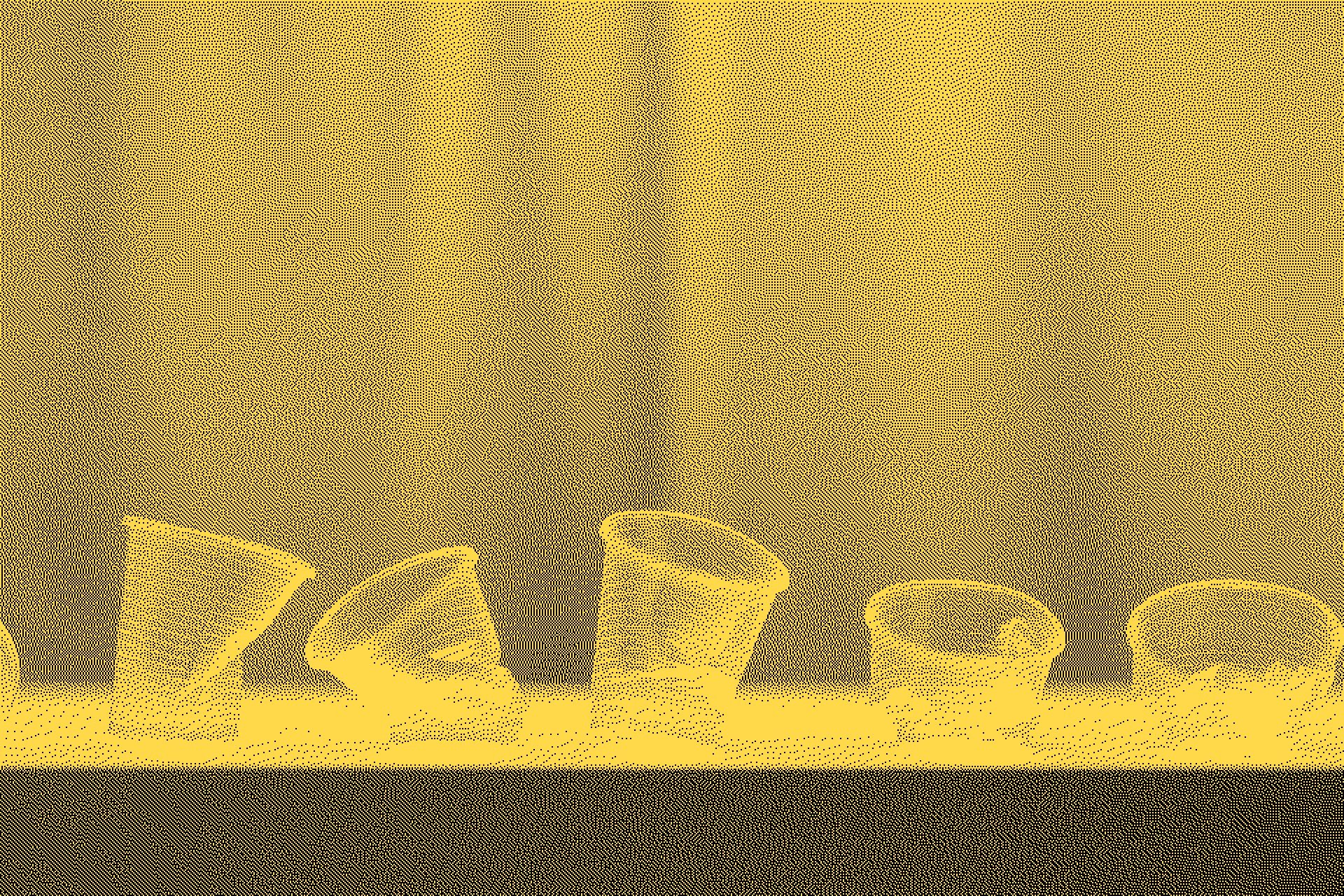
The study covered five product groups and six product types: takeaway containers with lids, hot beverage cups with lids, cold beverage cups with lids, barrier and produce bags without handles, and plastic film products comprising bin liners and agricultural mulch films. Within each group, a commonly available single-use plastic product was assessed against its realistic alternatives, spanning single-use certified compostable, single-use paper and paperboard, and reusable plastic and non-plastic products.
Environmental performance was quantified across 11 impact categories including climate change, water scarcity, particulate matter, marine and terrestrial litter, land use and biodiversity loss. Modelling used regionally averaged scenarios across Australia and New Zealand, and assessed both current and optimised end-of-life pathways, with sensitivity analysis covering grid electricity mixes, domestic manufacture versus import, washing method for reusables, collection transport for container exchange schemes, and availability of recycling and composting infrastructure by jurisdiction.
The participating jurisdictions selected both the item categories and the specific product types to be modelled. Lifecycles sourced representative samples of each, weighing and characterising them to build the inventory models. Delivery required sustained technical and stakeholder coordination across nine government agencies with differing policy positions, waste infrastructure and priorities, while holding a single consistent methodology across all product groups.
The study established the first nationally consistent, ISO-compliant evidence base on single-use plastics and their alternatives for Australia and New Zealand.
Reusable food and drinkware recorded the lowest life cycle impacts for climate change and particulate matter in bring-your-own and dine-in scenarios, with break-even points identified for each product group: approximately 22 reuses for takeaway containers, 15 to 20 for hot cups, 40 for cold cups and six for reusable mesh produce bags.
Reusable performance proved highly sensitive to washing method and grid electricity, with commercial dishwashers materially more water-efficient than domestic dishwashers or handwashing.
Paper-based certified compostable cups and containers typically ranked second lowest after reusables, with production the dominant life stage.
Lightweight single-use HDPE produce bags ranked second lowest within the bag category, though conventional plastics rated poorly on marine and terrestrial litter and high on climate change through production and manufacturing.
For compostable materials including PLA, PBAT and sugarcane bagasse, impacts concentrated in production rather than disposal, and oxo-degradable LDPE mulch film recorded the highest marine litter impact of the films studied, linked to microplastics.
Blue Environment contributed waste management data. All reports were independently reviewed by a three-member expert panel and adhere to ISO 14040 and ISO 14044. Across every product group, no material performed well or poorly on its own. Performance depended on how the product was used, washed, collected and recovered, and that varies by jurisdiction.
DWER published the study and its findings publicly in August 2026, and each jurisdiction is now applying the results alongside other information in policy development. Public access to the reports may be sought through a Freedom of Information (FOI) request via DWER.
Policy decisions on single-use plastics get built into infrastructure, procurement and public habit for decades, so the choice of what replaces an item matters as much as the decision to move away from it. Nine governments now weigh the same independently reviewed evidence when making that call. Lifecycles has been producing that kind of evidence base since 2003, across national studies, government policy work and product-level assessment, with the data and methods to model these systems properly and no material or product to sell at the end of it.
Client: Department of Water and Environmental Regulation (DWER), Western Australia, on behalf of a nine-jurisdiction interjurisdictional partnership
Partnership: Department of Water and Environmental Regulation (WA), New Zealand Ministry for the Environment, Department of Planning, Industry and Environment (NSW), Department of the Environment, Tourism, Science and Innovation (QLD), Green Industries SA, Department of Energy, Environment and Climate Action (VIC), Department of Natural Resources and Environment Tasmania, City and Environment Directorate (ACT), Department of Lands, Planning and Environment (NT)