
News
We'll keep you in the know with the latest sustainability news and industry insights.

What is the EU Carbon Border Adjustment Mechanism (CBAM)? A guide for Australian exporters
Learn what the EU Carbon Border Adjustment Mechanism means for Australian exporters of steel, aluminium, cement, fertilisers, hydrogen and electricity, and how to prepare for CBAM reporting.

Why the circular textiles industry needs life cycle assessment
Global textile regulation is accelerating. EPR schemes, eco-modulation fees and destruction bans are making environmental data non-negotiable. Life cycle assessment and circularity metrics give brands the evidence base to respond — and to lead.

EPDs and Green Star: What Australian manufacturers need to know before May 2026
Green Star Buildings v1.1 launches May 2026 with higher EPD values. Here’s how environmental product declarations earn credits — and why product-specific EPDs now matter more.
Landfill in LCA: Why modelling choices matter
How practitioners should model landfill in LCA — carbon storage, methane capture rates, bioplastics and why transparency matters. Summary of Tim Grant's ALCAS webinar.
Carbon footprint of Australian Avocado industry
First industry-wide LCA of Australian avocado production. Average footprint of 0.58 kg CO₂e/kg at farm gate. Key findings and reduction pathways.
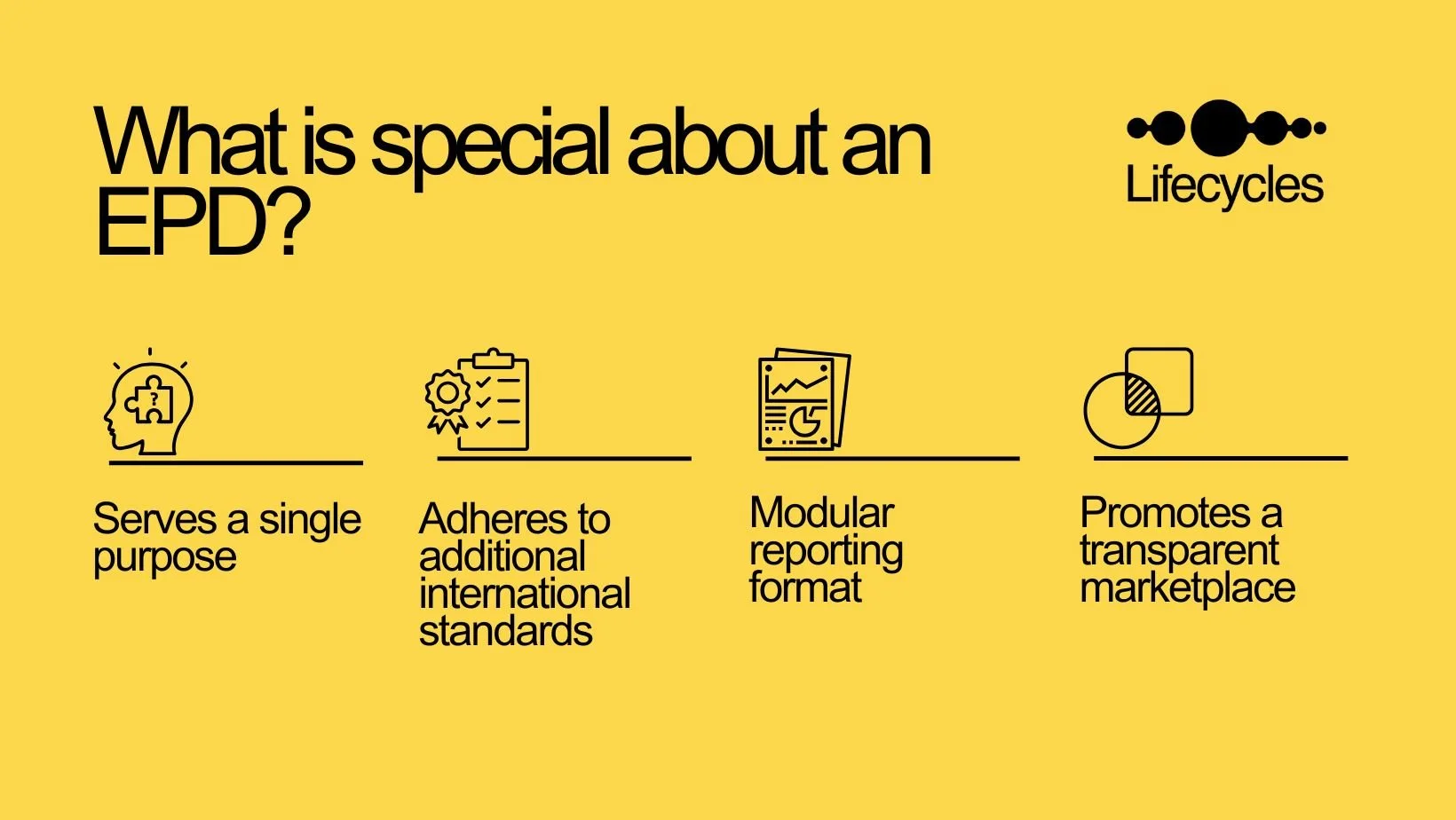
LCA vs EPD: Key differences explained
What's the difference between a Life Cycle Assessment and an Environmental Product Declaration? Purpose, standards, reporting structure and use cases compared.

A pathway to sustainable berry farming
First industry-wide carbon footprint of Australian raspberries (2.2 kg CO₂e/kg) and blackberries (1.7 kg CO₂e/kg). Emission hotspots and mitigation pathways.
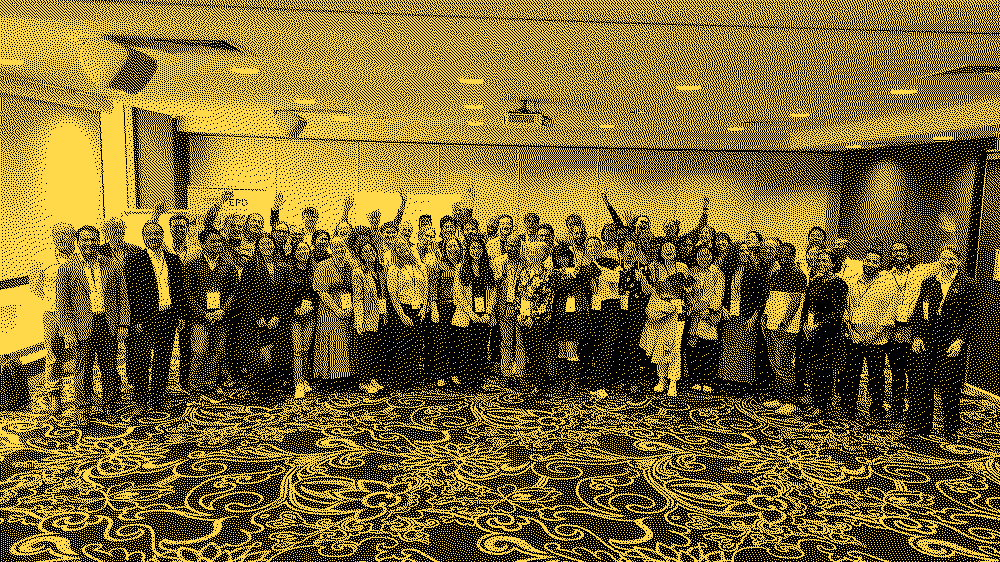
ALCAS Conference Highlights
Key takeaways from the 2025 ALCAS Conference in Melbourne — LCAgMetrics, Rubus berries LCA, bioenergy guidelines and more from the Australian LCA community.
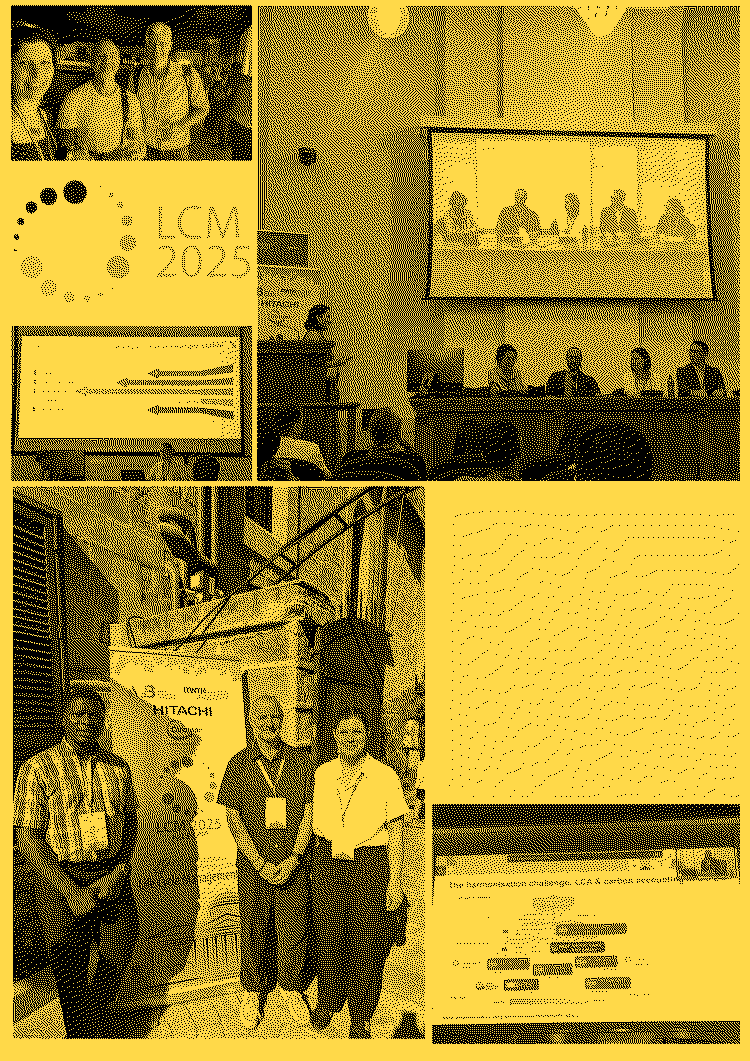
Three Days at LCM 2025: The Future of LCA
Key takeaways from LCM 2025 — AI automation in LCA, EU policy harmonisation, planetary boundaries, and the path from academic tool to mainstream practice.
S.A. Materials Flow Analysis | Report
Lifecycles' material flow analysis for Green Industries SA — tracking building, electronics, organics and textiles flows across the South Australian economy.

The waste conundrum
A practical guide to reducing waste — why landfill wastes valuable resources and five actions (reduce, reuse, refuse, repair, recycle) to make a difference.

Celebrating our women in STEM
Meet the women leading LCA science at Lifecycles. Our team shares what inspired them to pursue careers in STEM for the UN International Day of Women and Girls in Science.

Reflections on the year gone by
Lifecycles' 2024 highlights — PIQET 5 launch, Lifecycles Lab with Queensland Manufacturing Hub, EPD growth, agriculture LCA projects and 2025 outlook.

Lifecycles at EcoBalance 2024: Expanding Sustainability Beyond Carbon
Lifecycles at EcoBalance 2024 in Sendai, Japan. Key takeaways on plastics circularity, avoided emissions, LCA database developments and agricultural supply chains.

Lifecycles launch PIQET 5.0, a revolutionary sustainable packaging tool
PIQET 5.0 — ISO 14044 compliant reporting, organisation packaging footprint tracking, advanced recycling assessment and new environmental indicators for packaging LCA.
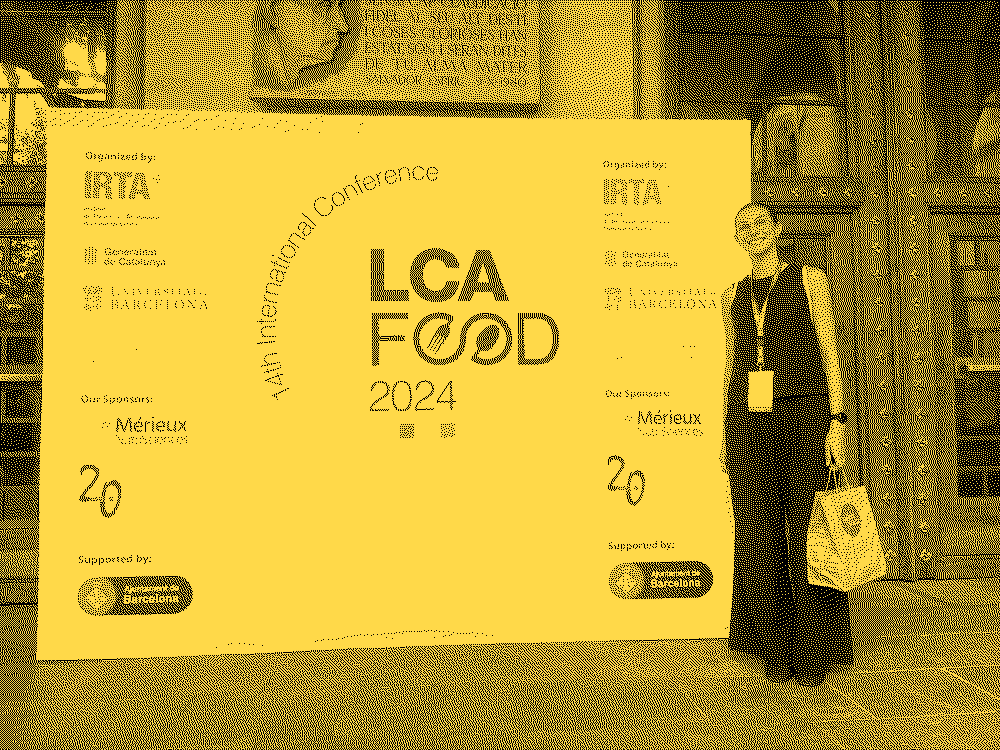
LCA Food Conference, Barcelona
Lifecycles at LCA Food 2024 — data transparency, scalability in agri-food supply chains, technology innovations and harmonisation of LCI databases.
What's in the budget for sustainable agriculture?
Australia's 2024 budget allocates $63.8M for sustainable agriculture — GHG reduction technologies, measurement and the LCAgMetrics project with AgriFutures.

Incorporating Ecosystem Services in LCIA – Recommendations from GLAM3
GLAM3 proposes six midpoint and four endpoint categories for ecosystem services in life cycle impact assessment — SOC deficit, erosion, groundwater and more.

Improving electricity data in AusLCI
Updates to Australian electricity data in AusLCI v1.43 — WA grid split, Residual Mix Factor, market-based vs location-based accounting and future marginal energy.

Lifecycles contributes to updated ecoinvent LCI data for Australia's Agriculture
Lifecycles contributed five new Australian agricultural products to ecoinvent v3.10 — barley, maize, oat, rapeseed and wheat with state-level regional models.