

Visy | Paper Bubble: the evidence behind the switch from plastic (2026)
Plastic bubble wrap? Everyone uses it, nobody recycles it. With single-use plastic bans accelerating across Australia, Visy built a paper-based alternative — and asked us to put it to the test. We ran a comparative LCA of Visy's Paper Bubble against conventional LDPE bubble wrap, cradle to end-of-life.
The result: significantly lower carbon (34%), energy (73%) and water impacts (39%) when recycled through kerbside systems. Independently peer-reviewed.
Made at Visy's Melbourne plant with paper from their NSW mill, it's local manufacturing backed by quantified evidence — not just a "more sustainable" claim.
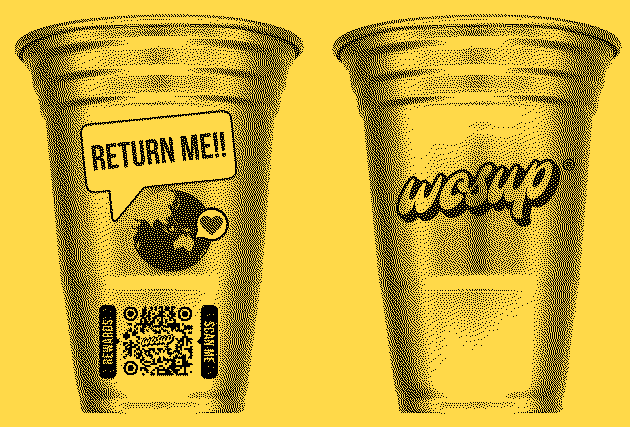
WOSUP | Reusable aluminium cups for public events (2025)
WOSUP commissioned Lifecycles to assess the environmental performance of its reusable aluminium cup system compared with single-use alternatives commonly used at public events. The LCA demonstrates that the WOSUP cup delivers the lowest climate change impact per drink while significantly reducing microplastic pollution and land-use impacts. The results show that achieving high return and recycling rates is key to maximising environmental benefits. With additional carbon sequestration through WOSUP’s tree-planting initiative, the system can become carbon positive—helping event organisers transition away from single-use plastics with a science-based reusable solution.
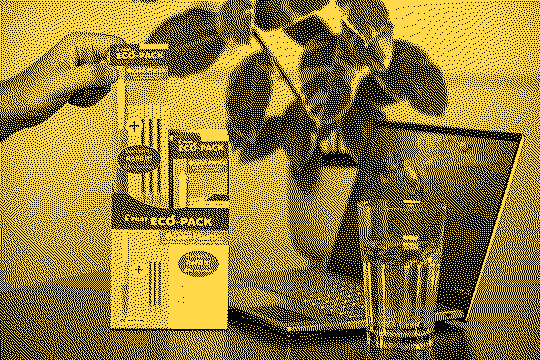
Pilot Pen | LCA Packaging Calculator (2023)
Lifecycles developed a life cycle assessment (LCA)-based calculator for Pilot Pen to quantify the environmental performance of refillable writing instruments compared with single-use pen systems. The model applies an ISO 14044-aligned methodology and evaluates impacts per functional unit of one “single pen equivalent” use, enabling comparison between disposable and refillable product systems. The tool assesses key indicators including climate change (kg CO₂-e) and plastic reduction (kg plastic), providing Pilot with a science-based approach to quantify the environmental benefits of extending product lifetimes through refill systems.
Fonterra | LCA of milk packaging (2025)
Lifecycles assessed environmental impacts of various milk packaging formats for Fonterra, including bulk containers, reusable, and single-use options. The study identified key greenhouse gas emissions contributors, providing data-driven insights that enabled Fonterra to make informed decisions and select the most sustainable packaging solutions for milk supply to New Zealand cafés.

Thai Union Group | Carbon Footprint Study for John West Tuna (2024)
Lifecycles conducted a carbon footprint analysis for John West’s multipack tuna packaging, comparing aluminium stickers with PET shrink wrap and cardboard sleeves. The study demonstrated the environmental benefits of recyclable aluminium and supported Thai Union in making informed packaging decisions and environmental claims for their products in the market.
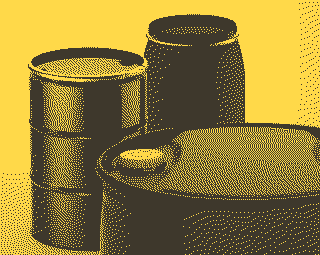
Schütz Packaging Systems | LCA of reusable plastic drums (2024)
Lifecycles undertook an LCA of Schüetz’s reusable plastic drum system used in the agrochemical sector. The study identified supply chain hotspots, evaluated alternative scenarios, and quantified environmental benefits from recycling drum waste. Results supported Schüetz in enhancing resource efficiency and circularity within its Australian operations and product stewardship efforts.