
EPD Case Studies | Verified Environmental Product Declarations
Explore Lifecycles' EPD case studies across steel, aluminium, concrete, timber and construction products. Independently verified Environmental Product Declarations developed under ISO 14025 and EN 15804+A2.
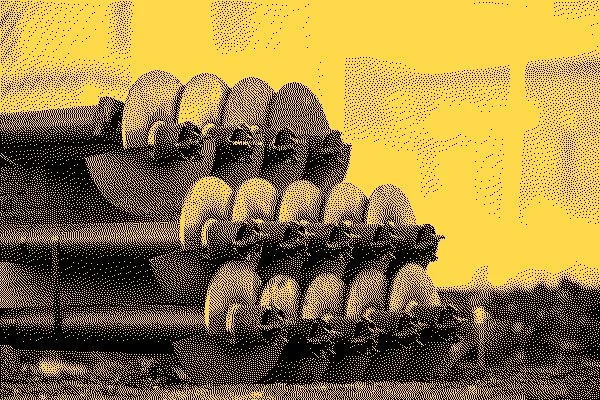
Katana Foundations | Steel Screw Piles EPD
Every building starts underground. Katana Foundations designs and engineers Australian-made steel screw piles that transfer building loads deep into stable ground, a smarter alternative to traditional concrete bored piers, used across all building classes from homes to high-rise.
Lifecycles developed a single independently verified EPD covering Katana's full screw pile range, built on a rigorous life cycle assessment and compliant with the Product Category Rules for construction products and the EPD program's General Program Instructions. Verified and registered on the Australasian EPD Programme, it gives the environmental transparency architects, engineers and green building schemes increasingly demand.
The result: quantified, credible, comparable data on a foundation product made here, from Australian steel, turning a hidden part of the build into a measurable sustainability advantage.
Capral | LocAl® Lower-Carbon Aluminium Extrusions EPDs
Aluminium's carbon footprint is decided long before it reaches site. Capral, Australia's largest extruder, offers LocAl®, a lower-carbon aluminium made standard across its Building Systems range, cutting embodied carbon without changing design, performance or fabrication.
Lifecycles developed independently verified EPDs for Capral's LocAl® and LocAl® SG extrusions, covering cradle-to-gate plus end-of-life and quantifying every impact category under EN 15804. The SG range, made from lower-carbon primary billet, delivers among the lowest embodied carbon of any extrusion available in Australia, and the numbers now prove it.
Verified and registered on the International EPD® System, these declarations give specifiers the hard evidence they need to make lower-carbon choices with confidence, and back Capral's claims with rigorous, comparable data.
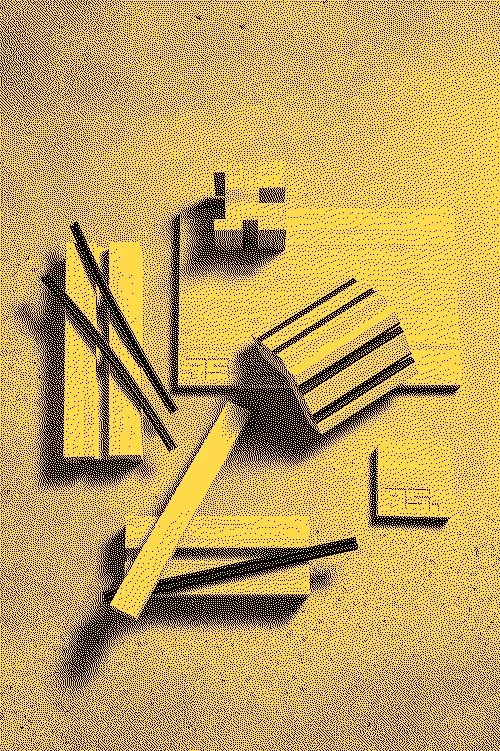
Assemble Studio | Bamboo Plywood Profile EPDs
Rapidly renewable materials are only as credible as the data behind them. Assemble Studio, based in New South Wales, designs and manufactures modular partition and furniture systems from natural materials including bamboo, timber, cork, straw and wool. Its bamboo plywood profile is the core building block of its demountable, reconfigurable partitions.
Lifecycles delivered a verified Environmental Product Declaration for that profile, built on a life cycle assessment compliant with ISO 14025, EN 15804+A2 and the relevant Product Category Rules. Independently verified and registered on the Australasian EPD Programme, it gives Assemble Studio transparent, comparable data on a product designed around renewable materials, local manufacture and circular end-of-life, exactly the evidence commercial interiors increasingly demand.
Bisalloy | Quenched and Tempered Steel Plates EPD
When you're the only manufacturer in your category, transparency sets the benchmark. Bisalloy is Australia's sole producer of quenched and tempered steel plates, used in demanding applications from heavy machinery to protection and armour.
Lifecycles delivered a single comprehensive Environmental Product Declaration covering Bisalloy's full range of plates, spanning Wear, Structural, Armour and Protection grades, built on a life cycle assessment compliant with the Product Category Rules for basic steel products. Independently verified and registered on the Australasian EPD Programme, it gives Bisalloy quantified, comparable environmental data across its entire product line, and the credible evidence base that specifiers, procurement teams and certification schemes increasingly require.
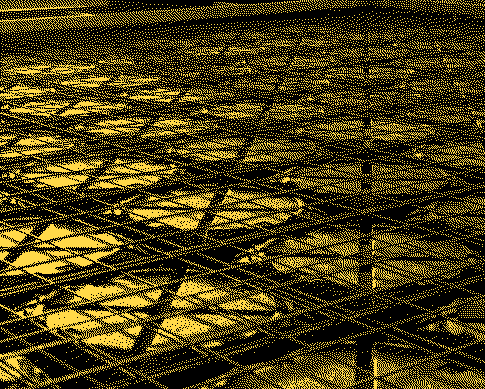
Biax Foundations | Void Former EPD
Concrete is one of the built environment's biggest carbon sources, so using less of it matters. Biax Foundations, based in New South Wales, developed a void former made from post-consumer recycled polypropylene that reduces the volume of concrete required on site, cutting material use and giving recycled plastic a second life in construction.
Lifecycles produced a verified Environmental Product Declaration for the void former, built on a life cycle assessment compliant with the Product Category Rules for construction products. Independently verified and registered on the Australasian EPD Programme, it puts hard numbers behind a product that demonstrates circularity in action, and gives specifiers the transparent data they need to choose lower-impact foundation systems.
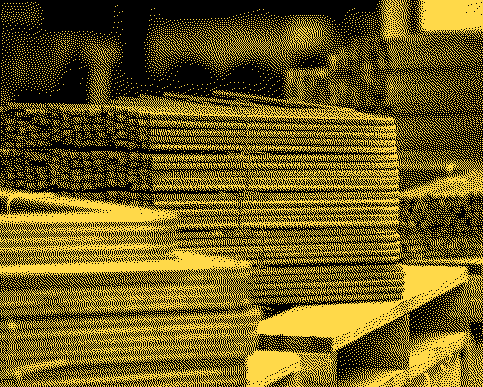
Neumann Steel | Reinforcing Steel Product EPDs
Reinforcing steel goes into almost every building, which is exactly why its environmental data matters. Neumann Steel is a steel fabricator producing rebar and reinforcing mesh across three sites in Queensland and New South Wales.
Lifecycles developed two verified Environmental Product Declarations covering Neumann's reinforcing steel products, each built on a rigorous life cycle assessment. Both were independently verified and registered on the Australasian EPD Programme. The result gives Neumann the environmental transparency increasingly demanded by architects, engineers and green building certification schemes, and puts quantified, comparable data behind a product that quietly underpins the built environment. It's the kind of evidence specifiers now expect before steel goes into the ground.
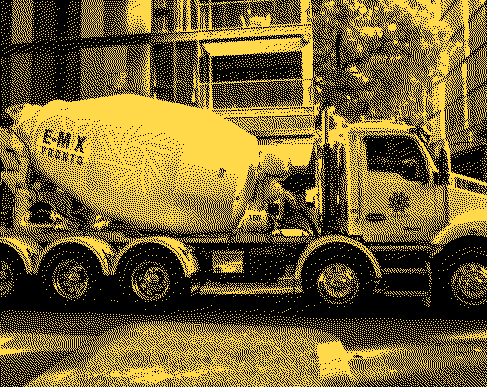
Barro Group | Pre-Mix Concrete Products EPDs
Concrete is the built environment's most-used material, so credible data on it moves the needle. Barro Group is a leading independent supplier of pre-mixed concrete, quarry products and associated materials, operating more than 55 sites along Australia's east coast.
Lifecycles delivered verified Environmental Product Declarations for 42 of Barro's pre-mixed concrete products, built on life cycle assessments compliant with EN 15804+A2 and relevant standards. The result gives Barro independently verified, transparent and comparable environmental data across 42 mixes, meeting the growing demand for hard numbers in sustainable construction procurement. For specifiers and green building certification, it turns a high-volume, high-impact material into one they can select on measured environmental performance, not assumption.
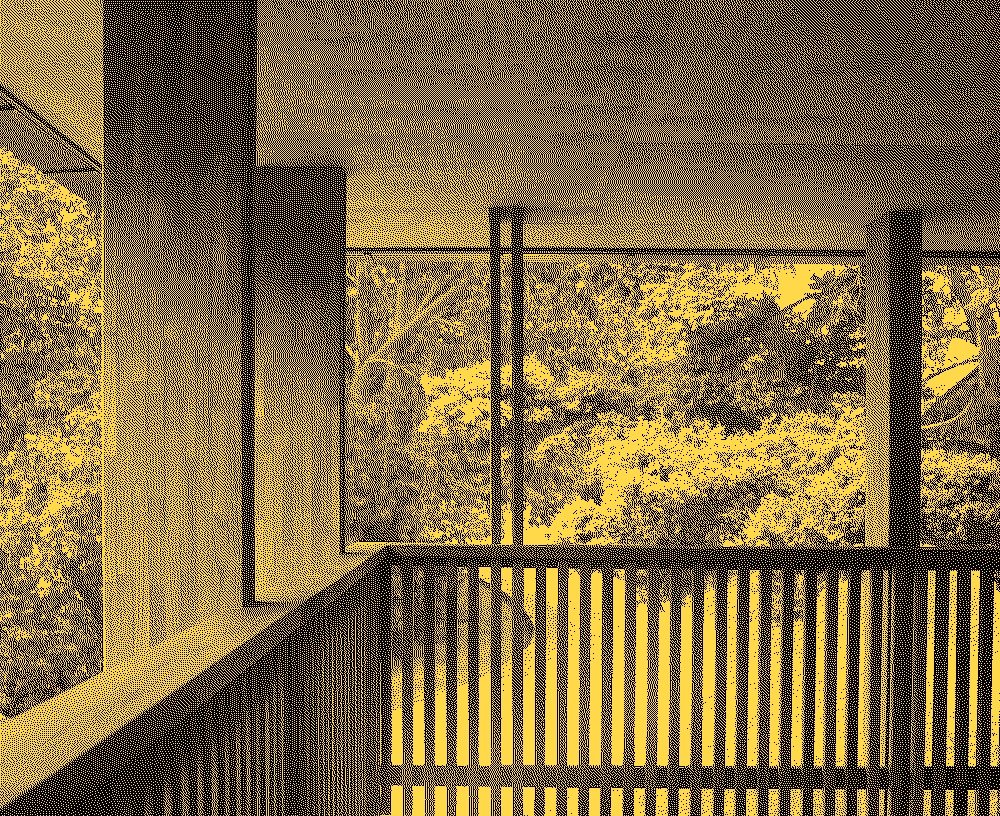
Prolam | Glue Laminated Timber (Glulam) EPD
Timber's environmental case is strong, but only verified data makes it bankable. Prolam, based in Nelson, New Zealand, manufactures wooden posts, beams and glue laminated timber products for construction.
Lifecycles produced independently verified Environmental Product Declarations for Prolam's complete glulam range, built on life cycle assessments compliant with ISO 14025, EN 15804+A2, PCR 2019:14 and C-PCR-006. The EPDs were registered on both the International EPD Programme and the Australasian EPD Programme, giving Prolam's products recognition across two markets. The result equips Prolam's customers to quantify the environmental impact of specifying glulam, and gives architects and engineers the transparent, comparable data they increasingly need to choose lower-carbon structural timber with confidence.
Ortech Industries | Durra Panel EPD
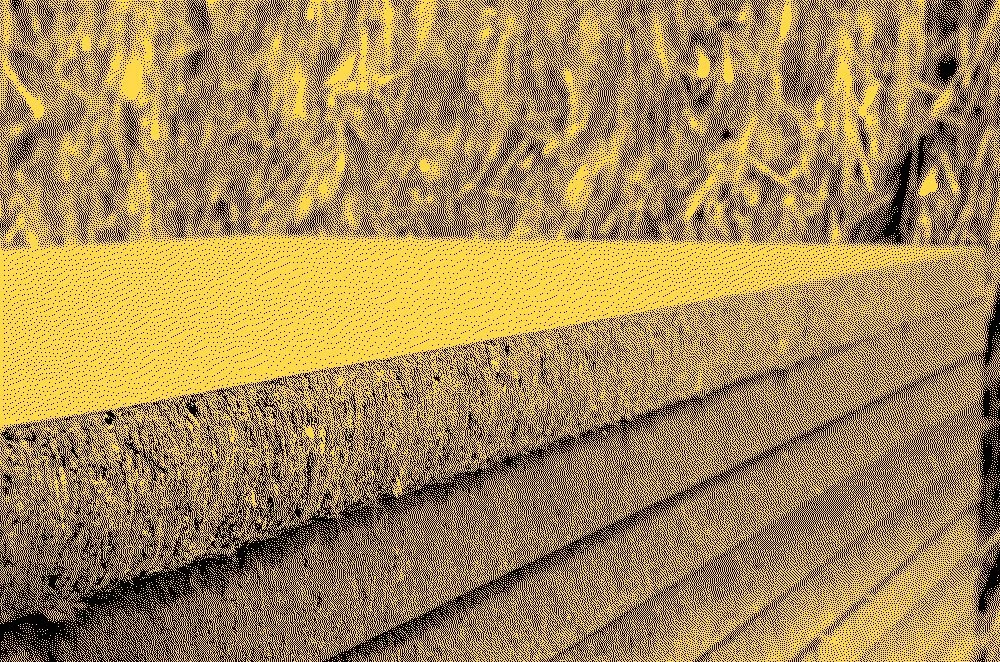
Most construction materials start by taking something out of the ground. The Durra Panel starts with what's usually left in the field. Ortech Industries, based in Bendigo, uses a dry extrusion process to turn wheat and rice straw into a structural building panel, keeping agricultural residue out of waste streams and locking carbon into the built environment.
Lifecycles developed a verified Environmental Product Declaration for the Durra Panel, built on a full life cycle assessment and compliant with the Product Category Rules for construction products and the EPD program's General Program Instructions. Independently verified and registered on the Australasian EPD Programme, it gives Ortech the hard, comparable data to back a genuinely different construction material, one that stores biogenic carbon and returns to the soil at end-of-life.